

How We Work Inside the Peacocke Rules
Six things that apply on a Peacocke section and nowhere else in Hamilton in quite the same way.
Earthworks Kept Under the Peacocke Area Cap
The District Plan caps earthworks inside the Peacocke Structure Plan at 600 square metres in area unless the work is in conjunction with an associated subdivision consent. On a big driveway plus a patio plus the dig for a shed pad, that is a number worth adding up before anyone starts.
Clean Fill Only Under a Peacocke Slab
Where fill material is used the rule is that it has to be clean fill. We bring in material that meets that, and we do not solve a level problem with whatever happens to be spare on the neighbouring lot.
Sediment Controls Kept Up Between Pours
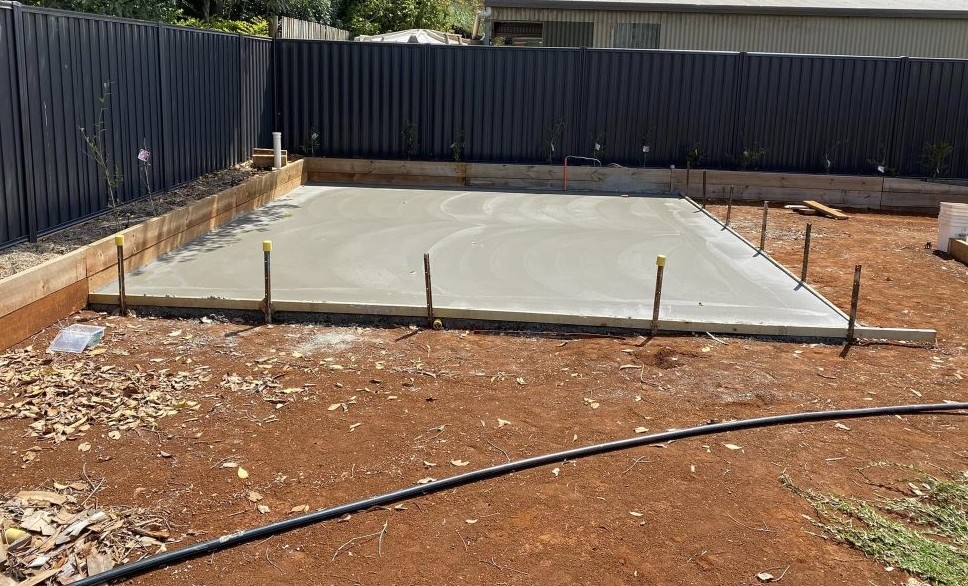
All earthworks have to retain sediment on site through controls that are implemented and maintained. On a Peacocke job that runs across two visits, the controls stay up in between rather than going in on the morning an inspector is due.
Overland Flow Paths Left Working
Earthworks must not obstruct or divert a stormwater overland flow path or change drainage patterns on someone else’s land. On a new subdivision those paths are designed, mapped and easy to fill in by accident with a raised patio.
Bare Ground Stabilised If We Leave Site
Any earthworks or bare earth not being worked for three months or more has to be stabilised and sown with ground cover. If your job is staged around a build programme, that obligation does not pause with it.
Mangakootukutuku Gully Edges Left Alone
Whatukooruru Drive crosses the Mangakootukutuku Stream gullies on three bridges, and those gullies carry ecological and hazard provisions right through Peacocke. We keep plant, spoil and discharge away from the edge and set the falls to send water somewhere else.




