
What Makes a Crossing Pass Inspection
Six things Council actually looks at, and the reasons behind each of them.
A Rebuild Needs Approval Too
The most common assumption we correct is that replacing an existing crossing is maintenance. It is not. Approval covers a new build, a second crossing added to an existing site, and rebuilding a crossing already there. A like for like rebuild is not exempt, and finding that out after the old one is broken out is an expensive way to learn it.
Two Hundred Millimetres of Freeboard Above the Channel
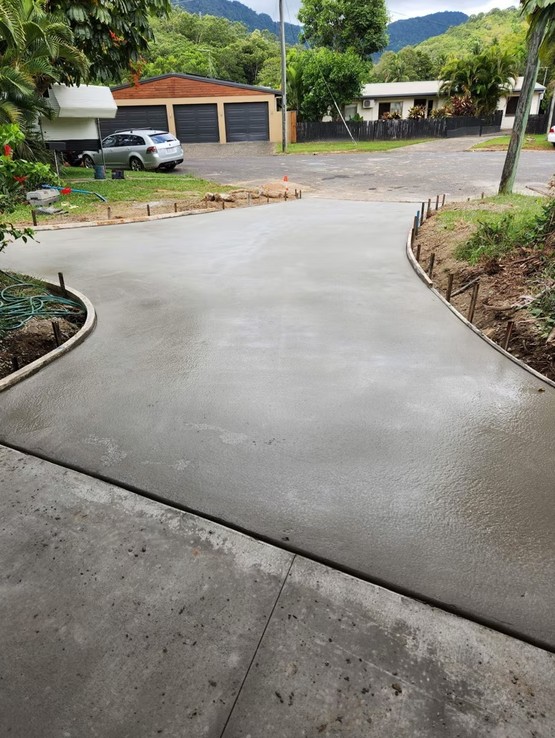
A residential crossing has to provide a freeboard of 200 millimetres, measured as the height above the channel or the pavement edge. That number is what stops street water running down your driveway, and it is the dimension that most often decides the whole profile of the crossing.
Built So a Car Does Not Ground Out
Crossings have to be designed so the 99th percentile car can use them without the break over angle grounding any part of the vehicle. That is the technical reason a badly built crossing scrapes, and it is why the profile between the channel and your boundary is set out on paper first.
Stormwater Kept Out of Your Driveway
The design has to let vehicles use the crossing without scraping while preventing stormwater entering the crossing and driveway from the street. Those two requirements pull against each other, which is exactly why the geometry matters. Getting one right and ignoring the other is how a compliant looking crossing floods a garage.
Crossing Material Matched to the Existing Footpath
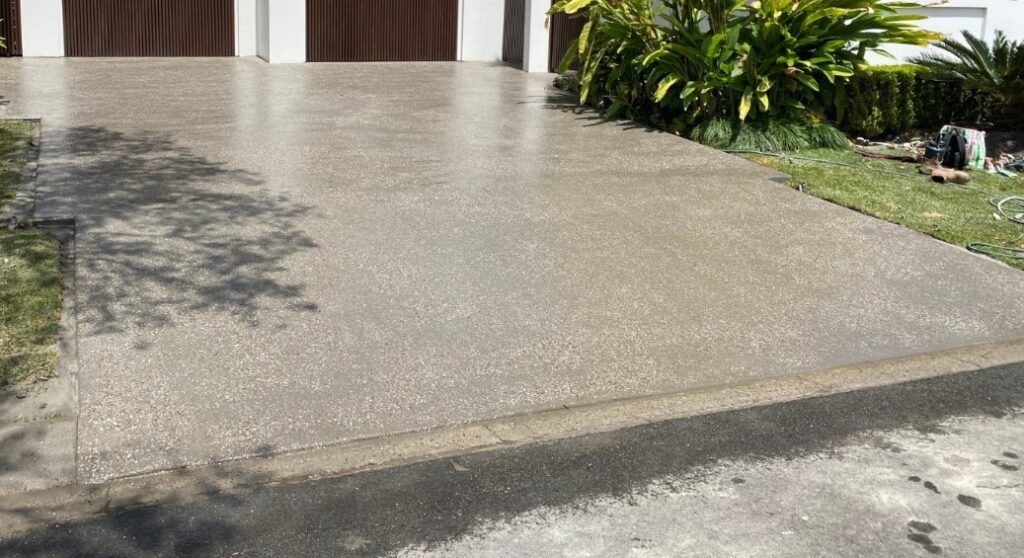
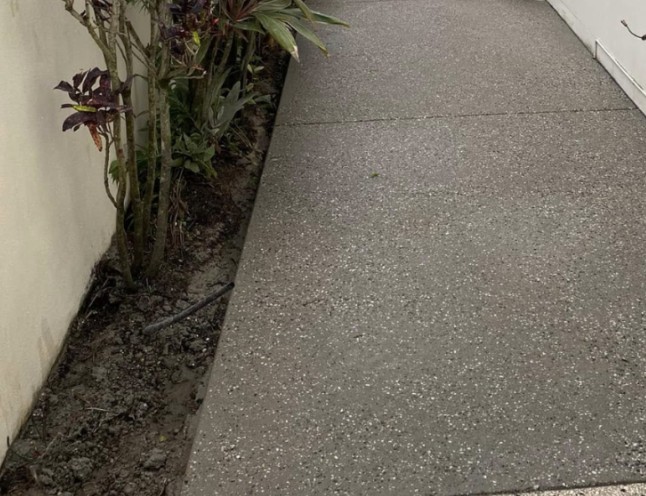
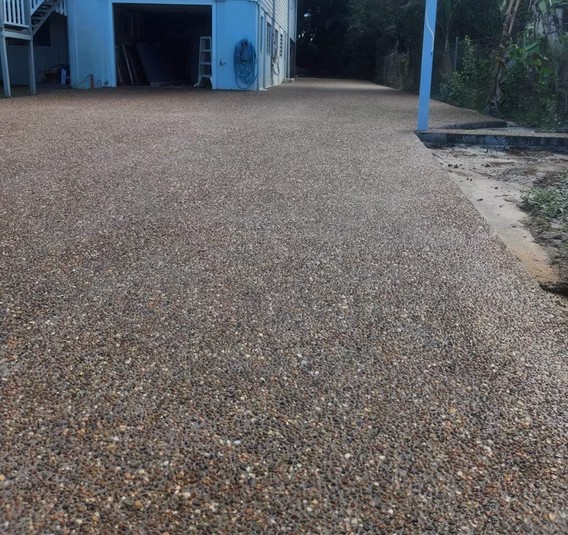
Crossings are surfaced with concrete or asphalt to match the adjacent footpath, and the existing footpath is removed and reconstructed in the same material. This is the rule that stops exposed aggregate, stamped work or coloured concrete running out to the kerb. We mark where your finish stops at quoting stage.
Three Inspections Sequenced Around the Pour
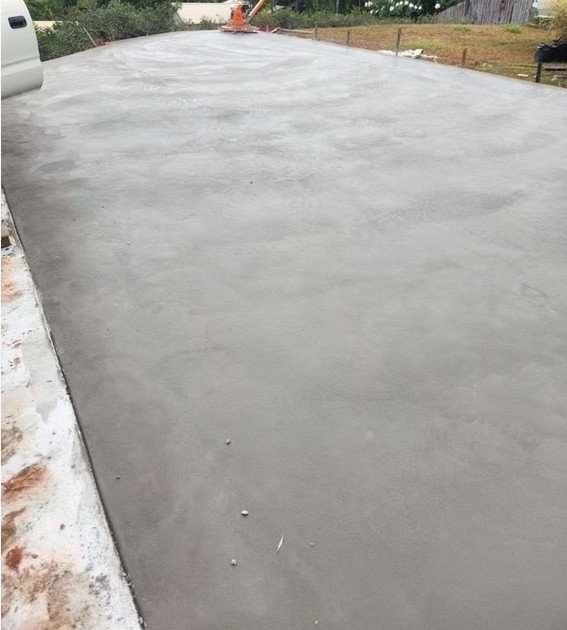
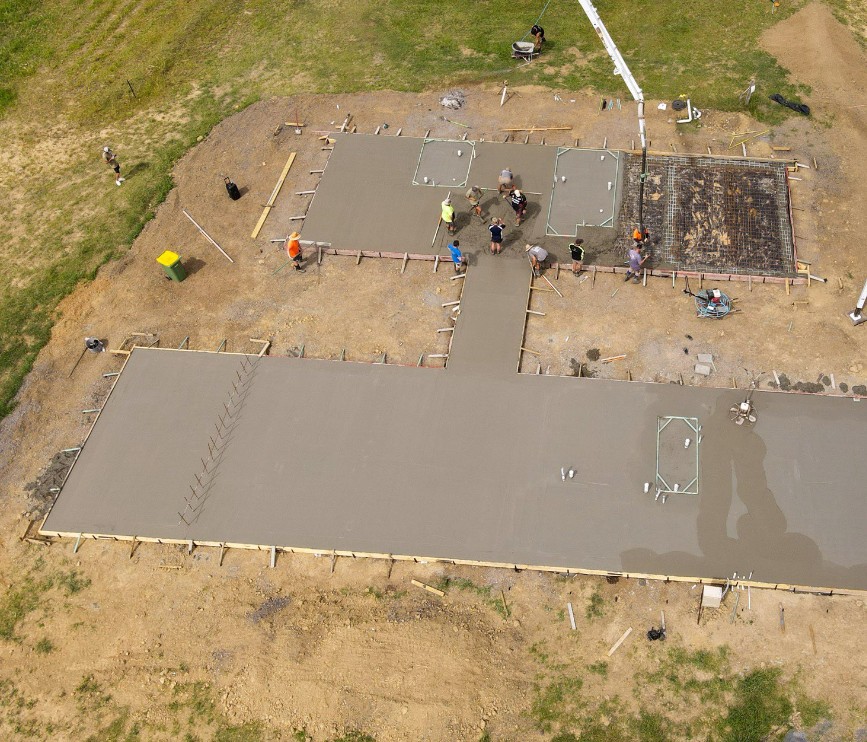
A standard crossing carries three site visits from Council: one before the pavement goes in, one before the pour and a final one at the end. We sequence the work around those, because a missed inspection can mean opening the crossing back up.